Fueled by philanthropy, brain stimulation offers hope
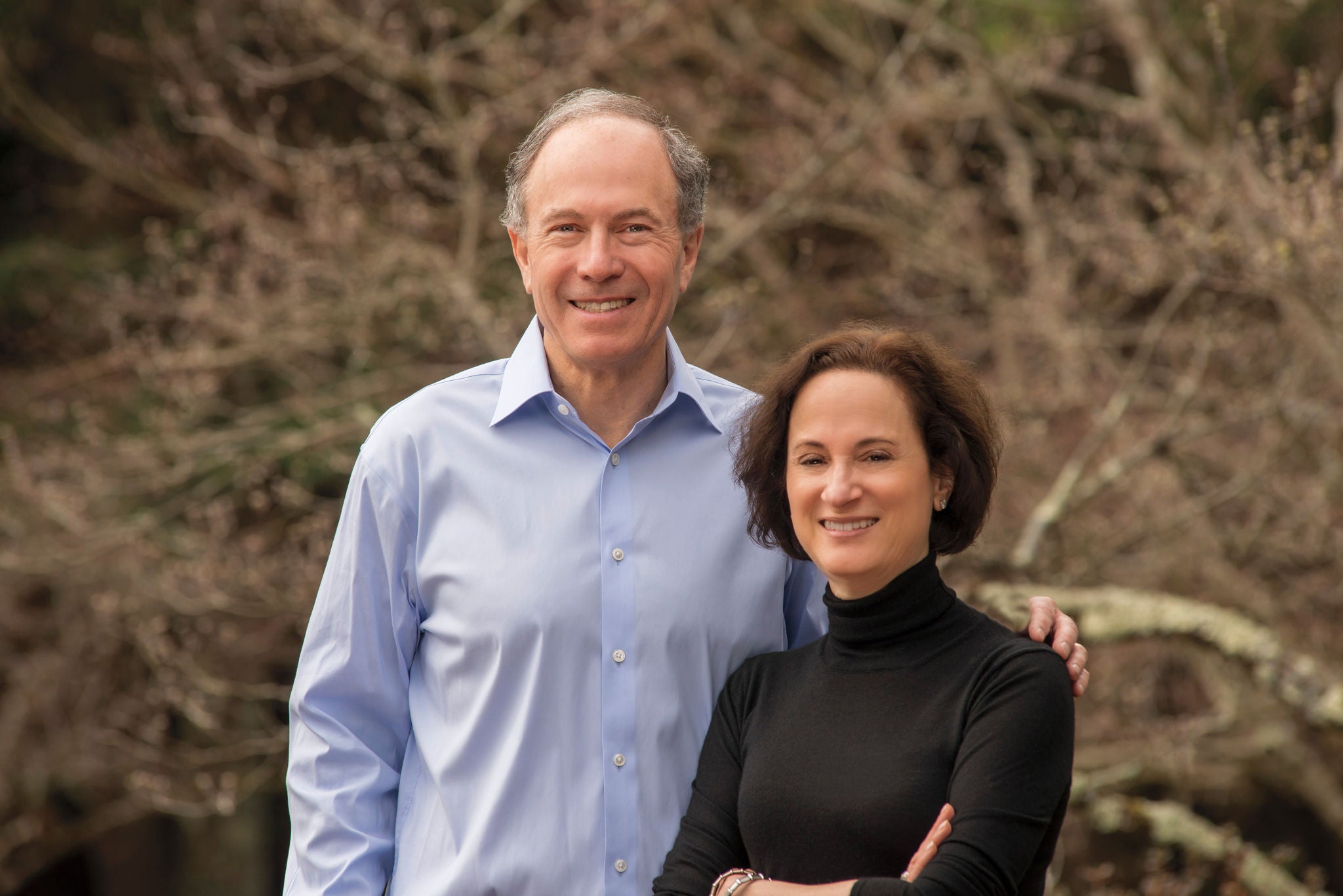
For patients with complex psychiatric conditions, finding effective treatment can feel out of reach, especially for those who do not respond to standard medications. At the Mass General Brigham Center for Brain Circuit Therapeutics — supported from the beginning by visionary benefactors Judy and Steve Kaye — physician-scientists are bringing groundbreaking research directly into the clinic to improve patient outcomes.
The center is one of the few worldwide to offer the full range of neuromodulation therapies, including transcranial magnetic stimulation (TMS), deep brain stimulation, and focused ultrasound. Treatments provide patients with a renewed chance at symptom relief for a range of psychiatric conditions, such as depression and obsessive-compulsive disorder (OCD), as well as numerous neurological conditions, including movement disorders.
New opportunities in psychiatric care
For years, depression has been treated using TMS, a noninvasive treatment that involves placing a magnetic coil on the scalp to stimulate a certain area of the brain. More recently, the center’s research suggested that a different brain target should be used to improve the combination of depression and anxiety.
In early 2026, the first randomized clinical trial testing this idea was published by Joseph J. Taylor, MD, PhD, medical director of TMS for the center and director of noninvasive neuromodulation clinical trials for the Mass General Brigham Department of Psychiatry. For a group of patients with both depression and anxiety, his team compared an area commonly targeted for depression with a new target linked to anxiety, including worry, irritability, and changes in sleep.
“The depression target had a larger effect on depression than on anxiety, while the anxiety target had a larger effect on anxiety than on depression,” Taylor says. “Our findings suggest TMS could eventually be tailored to each patient’s particular mix of symptoms.”
Michael Fox, MD, PhD, the center’s director and founder, says, “The week after getting trial results, we started changing how we treat patients at the TMS clinic.” Fox, who holds the Raymond D. Adams, MD, Endowed Chair in Neurology and is the Kaye Family Research Director of Psychiatric Brain Stimulation, adds, “Our patients often have multiple diagnoses, and we can now target different circuits to have different effects. That’s never been shown before in a TMS randomized trial.”
Taylor, the Jonathan F. Borus, MD, Endowed Chair in Psychiatry, emphasizes opportunities of this therapy. “We saw people could undergo a remarkable transformation,” he says. “Even a month after TMS ended, some reported their benefits continued to grow.”
He adds, “I use the analogy of a hip replacement. The procedure addresses a structural problem, but rehabilitation helps patients realize its full benefits. In this analogy, TMS addresses dysfunction in a brain circuit. Some people feel better with TMS alone, while others can build on improvements through exercise, healthier sleep, psychotherapy, and social connection. Many patients say making these positive changes becomes easier once TMS begins to relieve their depression and anxiety.”

Joseph J. Taylor, MD, PhD
Philanthropy as a catalyst
Judy and Steve Kaye, longtime supporters and volunteer leaders of Brigham and Women’s Hospital and now Mass General Brigham, became early champions of the center, inspired by the vision of David Silbersweig, MD, chair emeritus of psychiatry at the Brigham. The Kayes committed a significant gift, which helped Fox launch the center in 2020 and recruit physician-scientists like Taylor. In the years since, the Kayes have given generously, including a recent contribution to Taylor’s research.
The couple admires the center’s multidisciplinary approach uniting psychiatry, neurology, neurosurgery, and neuroradiology to develop solutions. “We believe this type of collaboration is the future of medicine,” Judy says. “For us, it’s been a privilege to provide funding for groundbreaking research with the potential to transform lives.”
The work is interconnected, notes Fox. “Dr. Taylor’s trial targeting different brain circuits to modulate varied psychiatric symptoms comes from work we’ve been doing for decades in deep brain stimulation for Parkinson’s disease,” he says. “The heart of the center is to take ideas from one field and apply them to another.”
Steve says, “It’s exciting to see the rapid pace of change in this new frontier, which provides psychiatrists with new tools to help patients. Research to target exact locations in brain circuitry where these illnesses reside and bring those discoveries directly to patients is a highly promising development.”
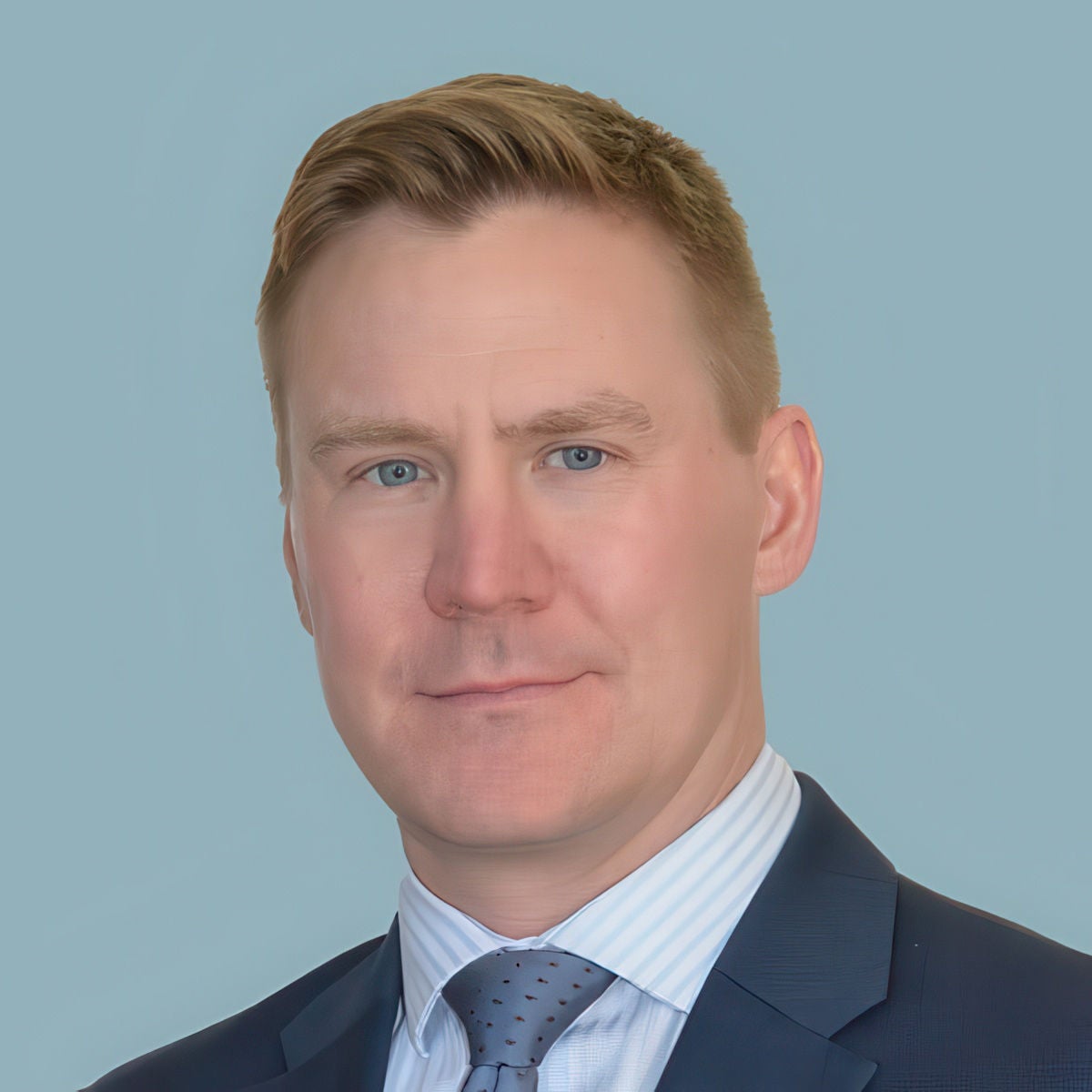
Michael Fox, MD, PhD
Looking to the future
Early donor backing allowed Fox, Taylor, and colleagues to gather pilot data and publish influential papers. This evidence helped the team secure more than $40 million in grants from the National Institutes of Health and private foundations.
“Judy and I find it so rewarding to see our support leveraged to secure significant additional funding,” Steve says.
Taylor notes, “We’re now at the point where we can start personalizing treatments for each individual based on their brain scan or symptom profile.”
In another 2026 landmark clinical trial, Taylor and team determined that treatment-resistant depression responded significantly better when TMS was directed to an individualized target identified with functional neuroimaging than when it was directed to a target chosen using standard scalp measurements.
Maurizio Fava, MD, chair of the Mass General Brigham Department of Psychiatry, says, “This important paper in JAMA Psychiatry may change clinical practice — and I’m extremely excited by the possibilities.”
Innovation continues as Taylor leads new trials for smoking cessation, post-traumatic stress disorder, perinatal depression, anorexia nervosa, and OCD.
For the Kayes, the proof is in the center’s results.
Judy says, “Donors who want to make a difference in the lives of people suffering from mental illness can be confident in the incredible team of scientists and clinicians at the center who are willing to dream of better futures for so many.”