Powering the next generation

On October 28, 2026, supporters, scientific leaders, and researchers gathered to celebrate a shared belief: Bold ideas, backed by philanthropy, have the power to transform medicine. The inaugural Mass General Brigham Research Scholars event honored a remarkable group of investigators whose work is advancing discoveries in genetics, neuroscience, immunology, women's health, infectious disease, and precision medicine.
The evening opened with remarks from Kathryn Rexrode, MD, MPH, chief academic officer of Brigham and Women's Hospital and chief of the Women’s Health Division at Mass General Brigham, who highlighted the vital role philanthropy plays in advancing scientific innovation and patient care.
“As health leaders, our greatest responsibility is to secure the future of medicine by actively investing in the brilliant minds poised to transform it,” Rexrode says. “Nurturing this next generation of researchers is not just an investment in their individual careers — it is a critical investment in the future of healthcare innovation.”
Building on a 15-year history
The Research Scholars program was created to recognize and support exceptional early- and mid-career scientists at pivotal moments in their professions. Powered entirely by philanthropy, this highly competitive awards initiative provides flexible funding that allows researchers to pursue innovative ideas, explore new directions, and take the kinds of scientific risks that can lead to breakthrough advances.
Since its launch 15 years ago at Massachusetts General Hospital, the program has supported nearly 100 investigators and awarded approximately $50 million to accelerate discovery. This year marked a major milestone as the program expanded across the entire Mass General Brigham research enterprise and welcomed its first full class of scholars under the Mass General Brigham name.
In celebration of the legacy of this important program, guests at this year’s event heard a keynote address from past recipient Ben Kleinstiver, PhD, the Kayden-Lambert MGH Research Scholar 2023–2028. A leader in genome-editing technology, Kleinstiver develops tools that enable scientists to make precise changes to DNA, creating new possibilities for treating genetic diseases.
“The unrestricted support from this Research Scholars program enables my lab to pursue unconventional and groundbreaking science,” Kleinstiver says, “and allows us to take risks and pursue important questions at the vanguard of our field.”
2026 Mass General Brigham Research Scholars
The work of this year's scholars spans some of the most urgent challenges and exciting opportunities in medicine. While their fields of study differ, the scholars share a commitment to pushing the boundaries of what is possible.
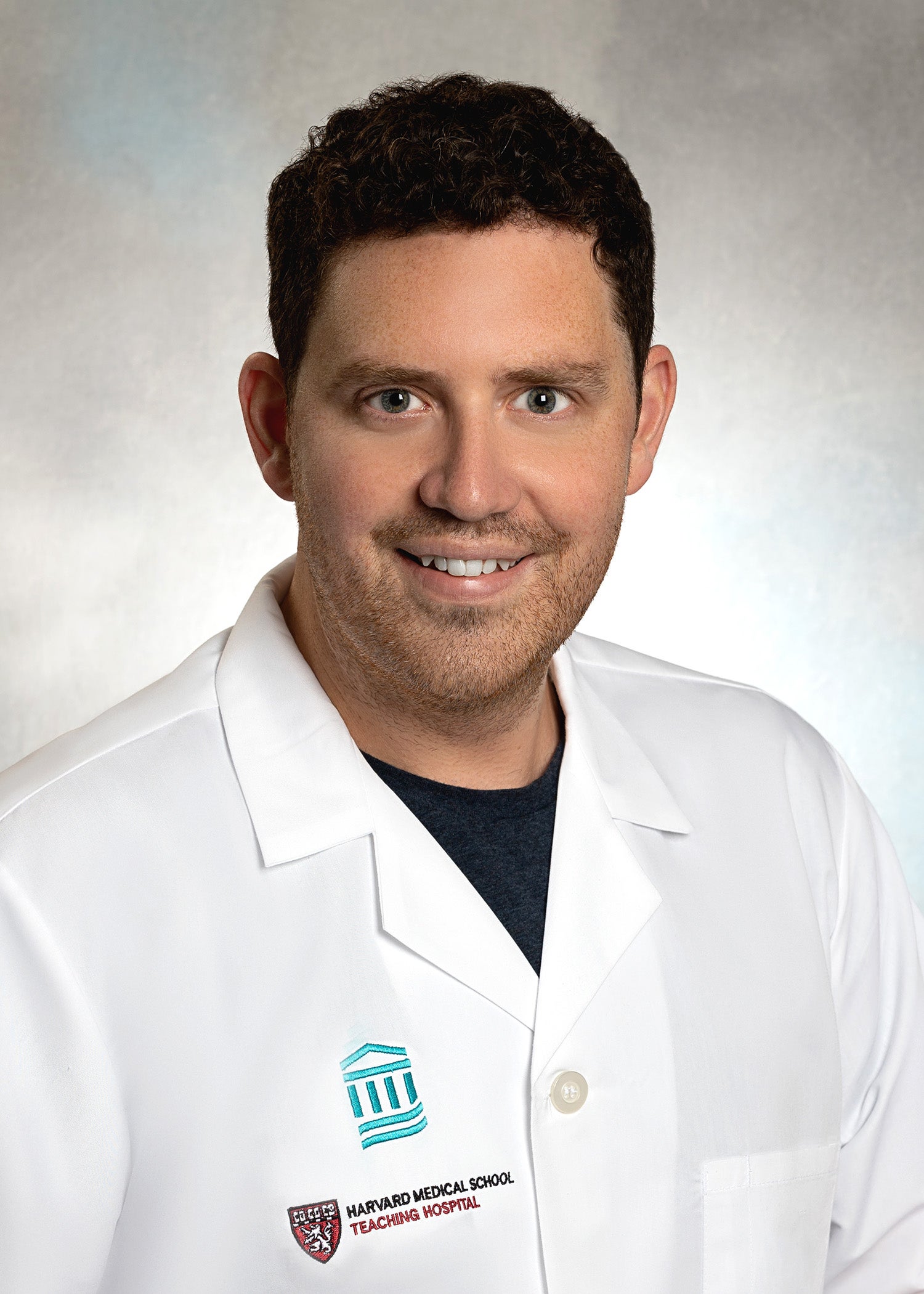
Gaurav Gaiha, MD, DPhil
Giammaria and Sabrina Giuliani Mass General Brigham Research Scholar 2026–2031
Gaiha studies how the immune system naturally fights infectious diseases and cancer, with the goal of developing more effective vaccines and treatments that help the body target disease more precisely. His team’s current areas of focus include T-cell vaccines for HIV and other viral infections, unconventional HLA-E–restricted immunity, therapeutic cancer vaccines, and new platforms for engineering immune-based biologics.

Konrad Karczewski, PhD
Mass General Brigham Research Scholar 2026–2031
Karczewski develops artificial intelligence–powered tools that help decode a person's DNA, with the goals of diagnosing diseases earlier, uncovering the causes of rare conditions, and guiding more personalized treatments. A hallmark of his work is a commitment to open science: His team creates open-access datasets, browsers, and computational methods that are used daily by researchers and clinical laboratories worldwide for gene discovery, drug target evaluation, and variant interpretation.
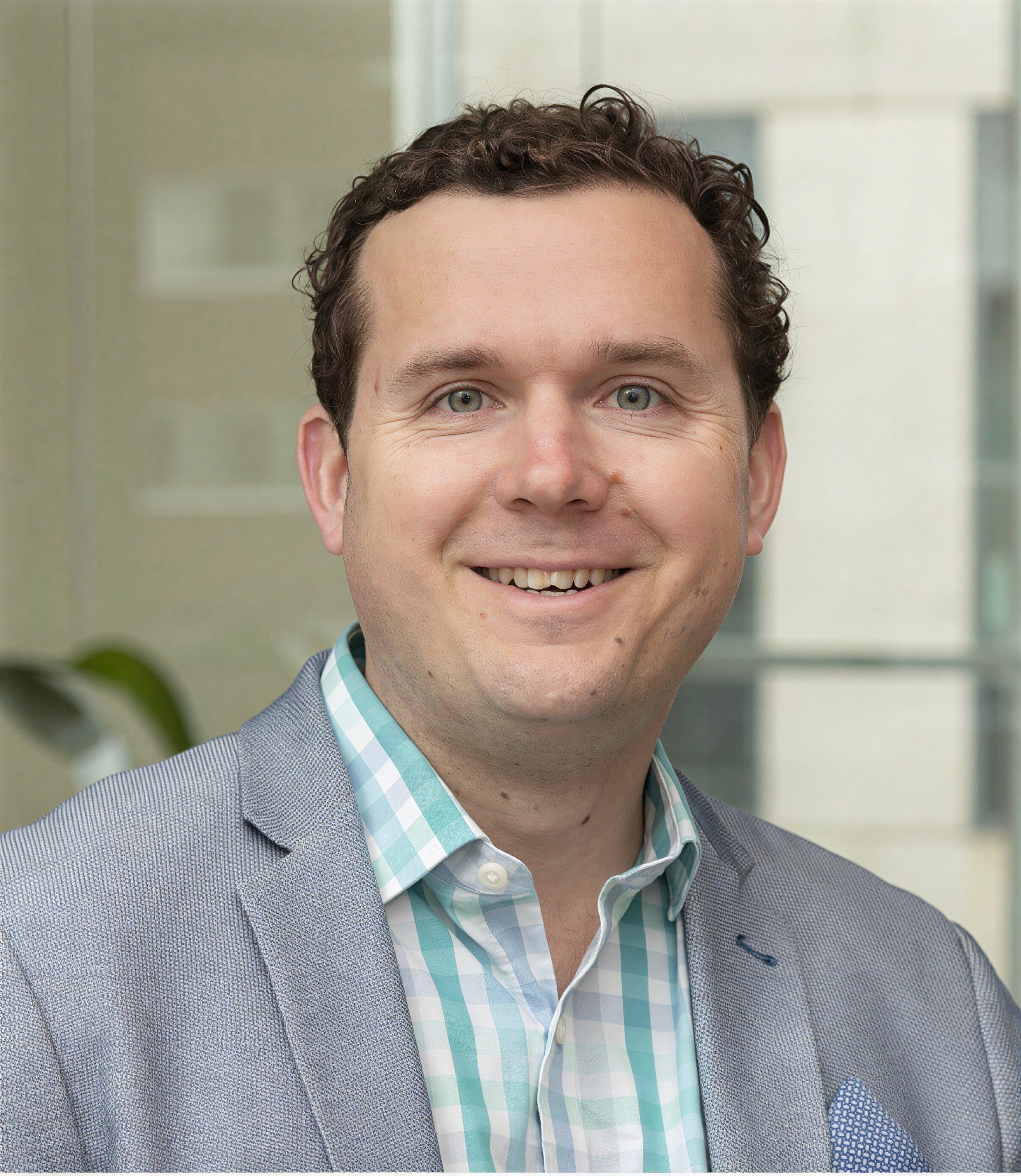
Alice Lam, MD, PhD
Chen Institute Mass General Brigham Research Scholar 2026–2031
Based on her experience caring for patients with epilepsy and memory disorders, Lam studies why some older adults develop memory and thinking problems after unexplained seizures, with the goal of finding ways to protect brain health and prevent dementia. She is the principal investigator for the ELUCID Study, a large, National Institutes of Health–funded, multicenter prospective longitudinal study on late-onset unexplained epilepsy as a risk factor for dementia.
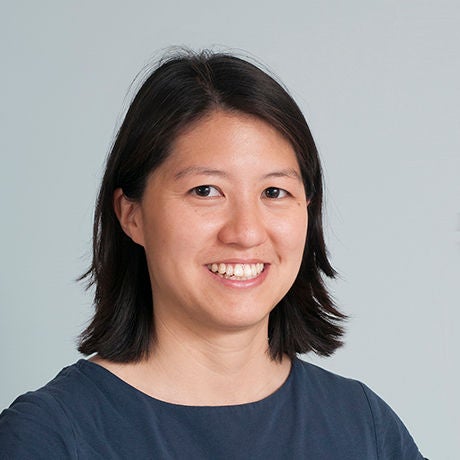
Caroline Mitchell, MD, MPH
Mass General Brigham Research Scholar 2026–2031
Drawing on her clinical experience, Mitchell studies recurrent vaginal infections and chronic vaginal pain, with the goals of developing better treatments and improving quality of life for the many women affected by these often-overlooked conditions. Her ongoing studies include the first randomized trial of vaginal fluid transplant for recurrent bacterial vaginosis, randomized trials of novel vaginal probiotics, and a cohort study of women with vulvodynia, a vulvovaginal pain disorder.
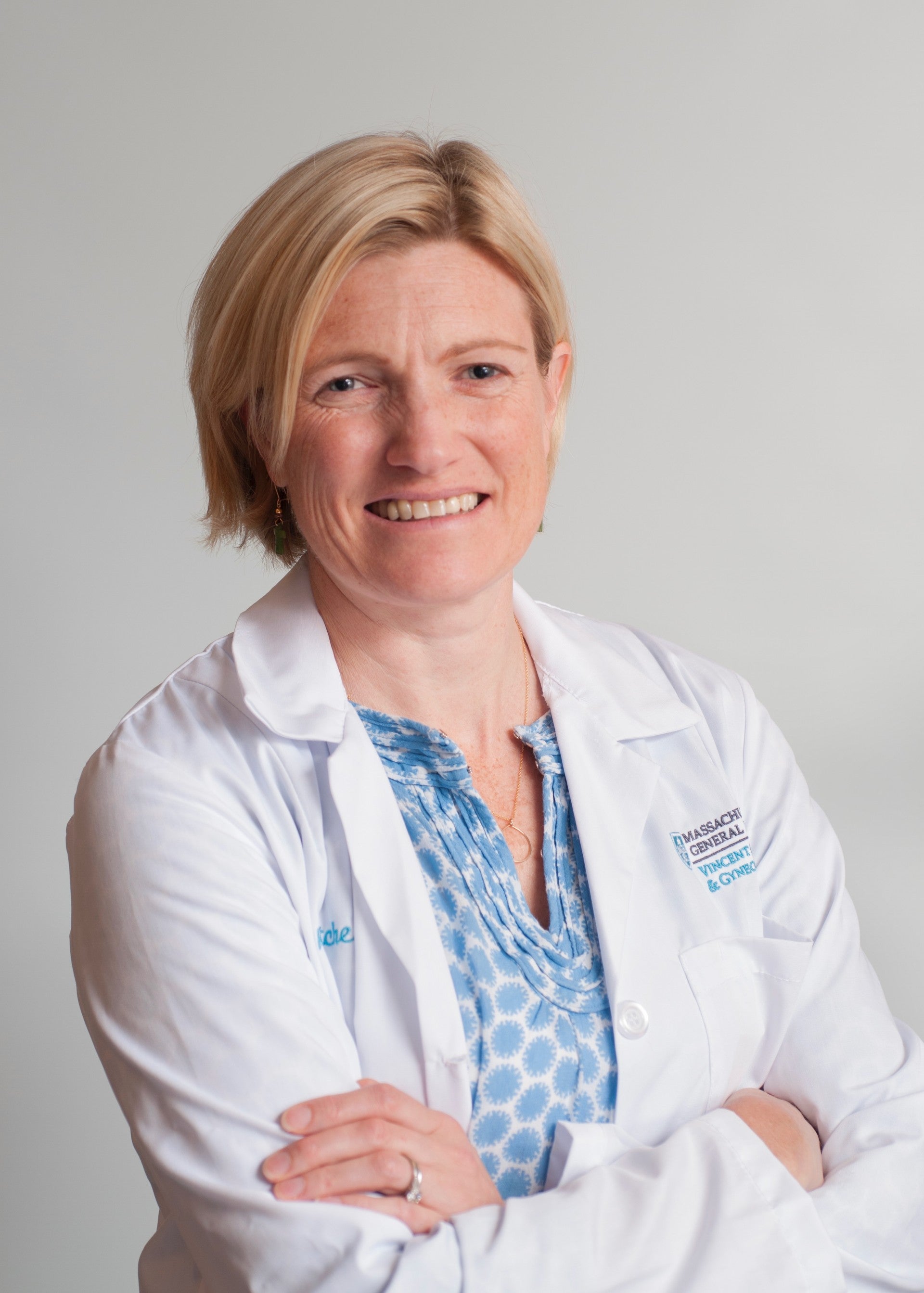
David Pépin, PhD
Mass General Brigham Research Scholar 2026–2031
Pépin studies a key hormone that helps regulate the ovaries, with the goal of developing new treatments for infertility, contraception, and women's health across different stages of life. One major area of his team’s investigation is preventing and reversing the negative effects of menopause to extend women's health span, the years they live in good health.
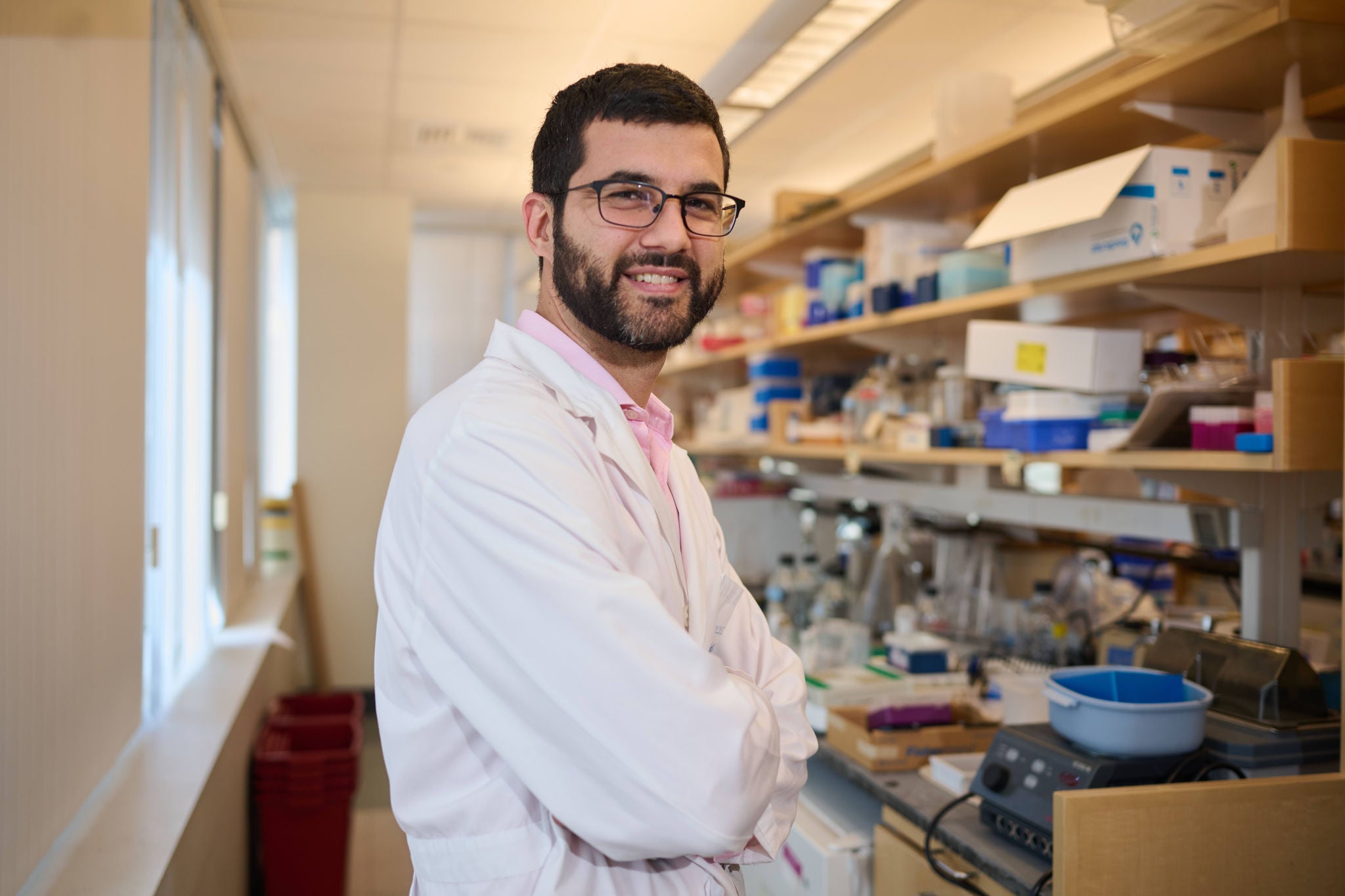
Peter Sage, PhD
Mass General Brigham Research Scholar 2026–2031
Sage studies how the immune system produces protective antibodies and how harmful immune responses can lead to autoimmune diseases, allergies, and organ transplant rejection. Through this work, his team aims to generate targeted therapies to treat antibody-mediated diseases while limiting infections.

Miriam Udler, MD, PhD
d'Arbeloff-Thier, MD, Mass General Brigham Research Scholar 2026–2031
Udler uses genetic clues to better understand metabolic diseases such as diabetes, with the goals of improving the accuracy of diagnosis and matching patients to the treatments most likely to work for them. As a practicing endocrinologist, Udler cares for patients with all forms of diabetes, with a particular focus on genetic and atypical forms of the disease.
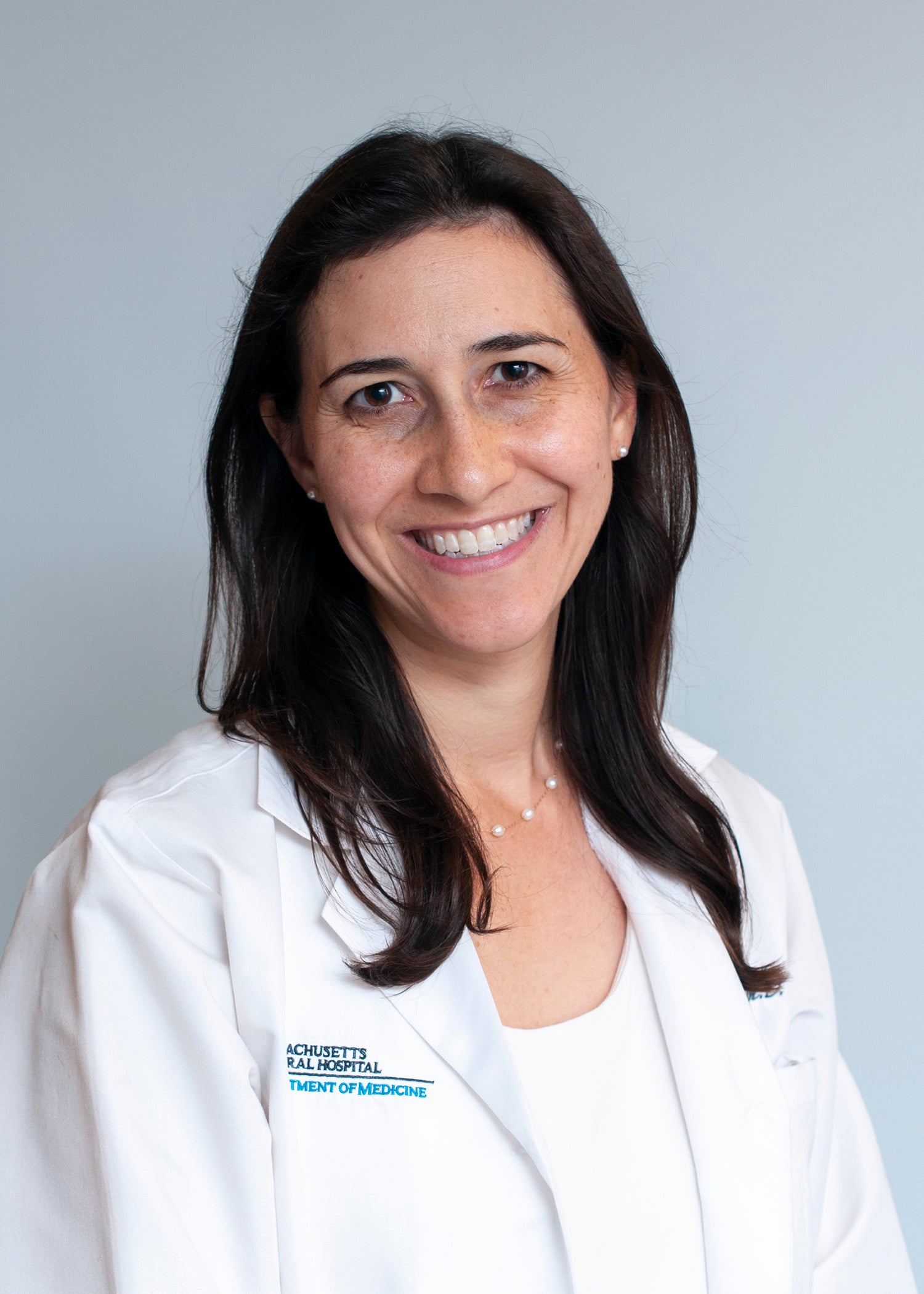
Michael Wheeler, PhD
Rappaport Mass General Brigham Research Scholar 2026–2031
Wheeler studies how the body's immune system can influence mood and behavior. His research could lead to new treatments for depression, anxiety, and addiction. He has performed paradigm-shifting work defining the neuroimmune basis of psychedelics in stress-related disorders, as well as landmark studies developing and applying genomic technologies to understand neuroimmune communication at scale.