Substance use disorder: Putting psychedelics to the test

And yet despite this progress, media hype and anecdotal tales of transformation often overshadow rigorous research data. The most recent example is ibogaine — an alkaloid from the iboga tree that some claim can effectively “cure” opioid addiction with a single treatment, prompting thousands of Americans to travel abroad in search of it.
“Ibogaine is the shiny new thing, yet the narratives are pretty compelling,” says Joji Suzuki, MD, founding director of the Division of Addiction Psychiatry at Mass General Brigham. “But as a researcher and clinician, I recommend things I know have been demonstrated to be effective and safe, and we don’t yet have a clear sense of the real benefits and risks of ibogaine.”
With the help of an $11 million grant from the National Institute on Drug Abuse (NIDA), Suzuki and his colleagues in Mass General Brigham Psychiatry are hoping to be the first to clinically demonstrate whether or not ibogaine can treat opioid addiction.
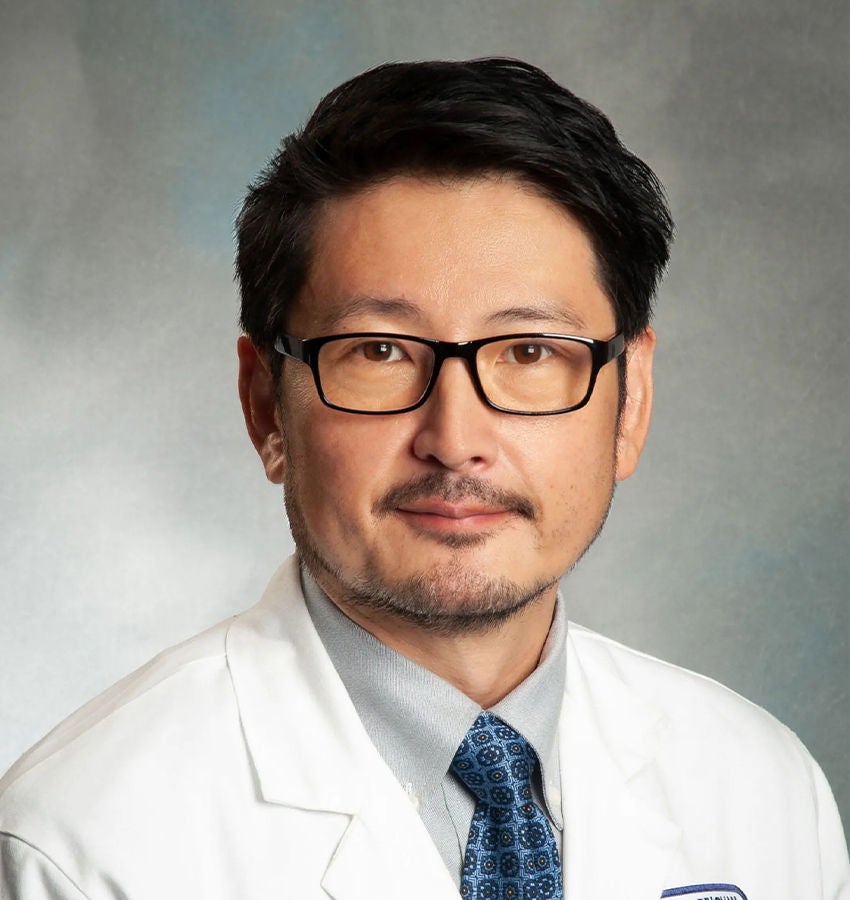
Joji Suzuki, MD
Closing the gap
Suzuki began his career as an addiction specialist in 2007, in the shadow of the opioid epidemic, working with patients and seeing firsthand the need for new and effective treatments for substance use disorders. That experience motivated him to identify and test new treatments for alcohol and opioid use disorders, including ketamine, cannabidiol (CBD), and, most recently, psylocibin. For Suzuki, psychedelics present an interesting opportunity.
“Drug companies have devoted a lot of time and money to studying the effect of psychedelics on depression, anxiety, and PTSD — but substance use disorders have been largely overlooked,” he says.
Using psychedelics to treat substance use disorder may seem like a new concept, but it was actually one of their earliest applications. In the 1950s, pioneering British psychiatrist Humphry Osmond — the man who coined the term psychedelic — used LSD to treat alcohol addiction in as many as 2,000 patients. But as recreational drug use soared in the 1960s, the culture turned against psychedelics and funding cuts forced Osmond and others to abandon their projects. In 1970, the U.S. government passed the Controlled Substances Act, which classified LSD, psylocibin, ibogaine, and other psychedelics as having high potential for misuse and no accepted medical use, effectively shutting down research.
“Closing the door on psychedelic research was a missed opportunity,” says Maurizio Fava, MD, chair of the Mass General Brigham Department of Psychiatry. “Our current slate of treatments for psychiatric disease and substance use disorders fall short. We need a greater variety of tools, and we owe it to our patients to fully explore the potential of psychedelics.”
In April, Suzuki, who had filed his application to study ibogaine with NIDA in 2023, was one of the first recipients of a new wave of federal grants aimed at exploring the therapeutic applications of psychedelics.
“The renewed interest in psychedelics is giving us an opportunity to revisit these compounds, investigate new applications, close the research gap, and deliver new therapies to patients in need,” says Susan M. Szulewski, MD, MBA, president and chief operating officer at McLean Hospital and vice president of clinical operations, behavioral and mental health at Mass General Brigham.
Thanks to early philanthropic support from several families committed to finding new clinical solutions for patients, researchers from Mass General Brigham Psychiatry and across the broader system are leading this re-evaluation of psychedelics and their ability to treat depression, anxiety, substance use disorder, PTSD, and more. Early donor support allows researchers to gather data and publish, which in turn, can open the door to larger funding opportunities.
“Philanthropy is like gold, because it gives you the time and space to do the actual science,” says Suzuki. “You never start out with a big NIH grant.”
Transdiagnostic benefit
For Suzuki, one of the most attractive elements of compounds like ibogaine is their potential to treat addiction as well as related and often underlying psychiatric conditions — something he refers to as a “transdiagnostic effect.”
“For example, methadone treats only opioid addiction,” he says. “But psychedelics may be able to treat the addiction, as well as depression, PTSD, and other related medical conditions.”
The same potential for transdiagnostic impact also drives Suzuki’s research with GLP-1 drugs, the other thrust of his lab work. Although they are mainly prescribed to treat obesity and diabetes, Suzuki believes that, as with psychedelics, GLP-1s may also have the potential to treat more generalized addiction.
“We don’t know for sure yet — we're still at the ground floor — but this may represent a whole new way of approaching addiction treatment,” says Suzuki. “We are all hands on deck.”